
Maggie Membrane
The Gatekeeper!
Maggie surrounds the cell and controls what moves in and out.
Explore the Plant Cell

They share many of the same organelles and cell structures, but plant cells have some special structures of their own. Meet the Celltown Cousins and discover what they share with Cellville — and what makes a plant cell special!
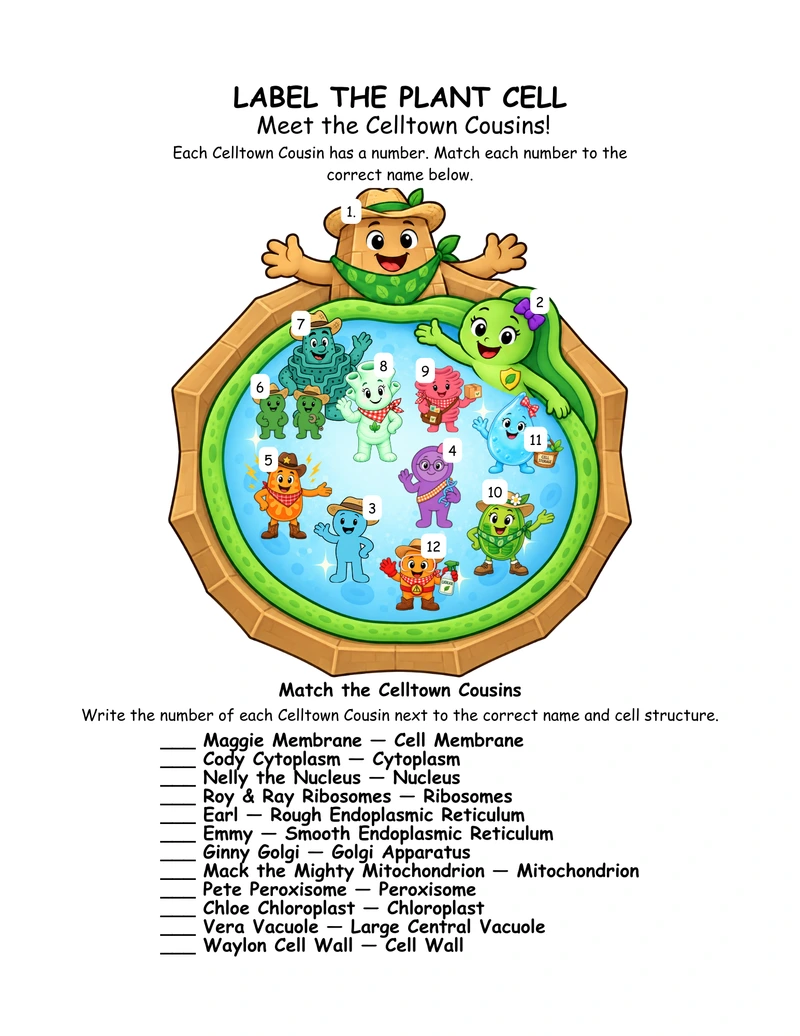
Meet the hardworking organelles and structures that help a plant cell live, grow, and do its job.
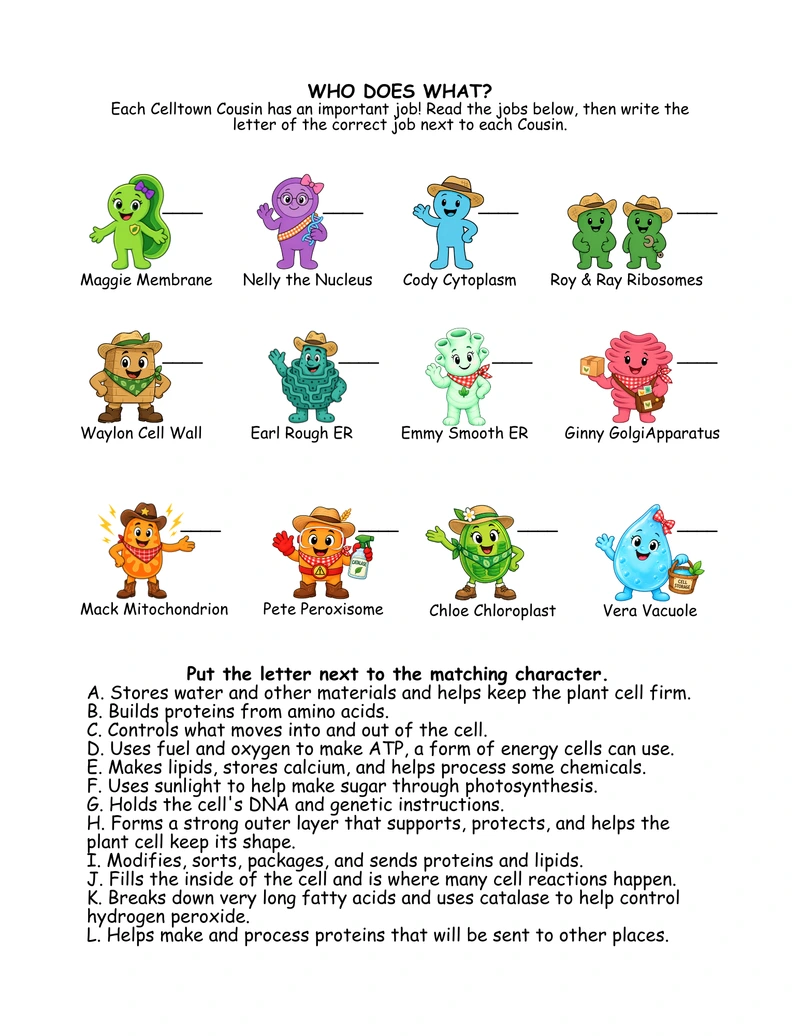
The Gatekeeper!
Maggie surrounds the cell and controls what moves in and out.

The Flow Master!
Cody fills the space inside the cell, where organelles are suspended and many cell reactions happen.
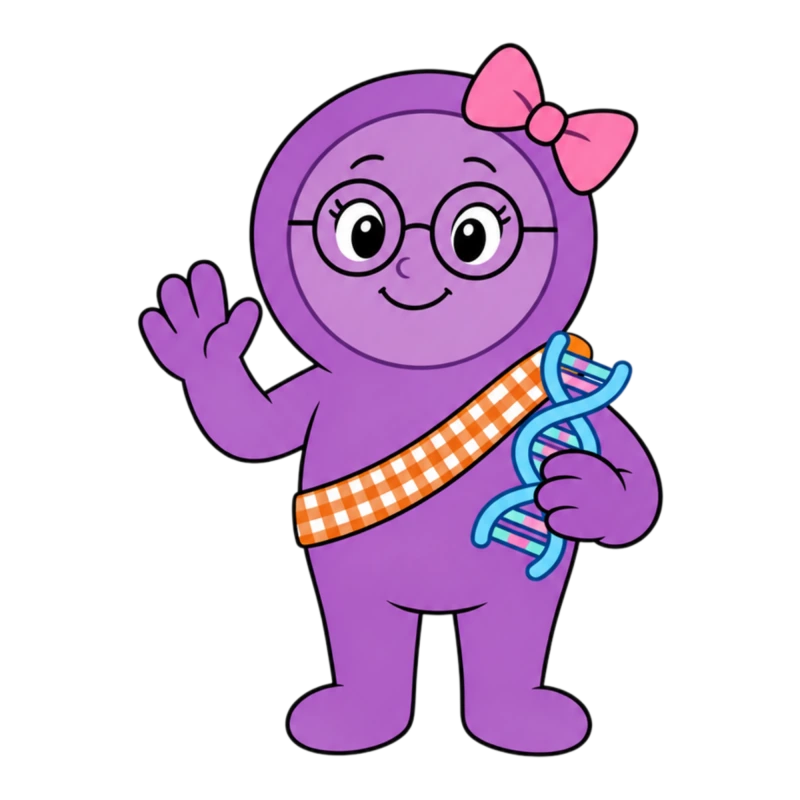
The DNA Keeper!
Nelly protects the cell's DNA and its genetic instructions.
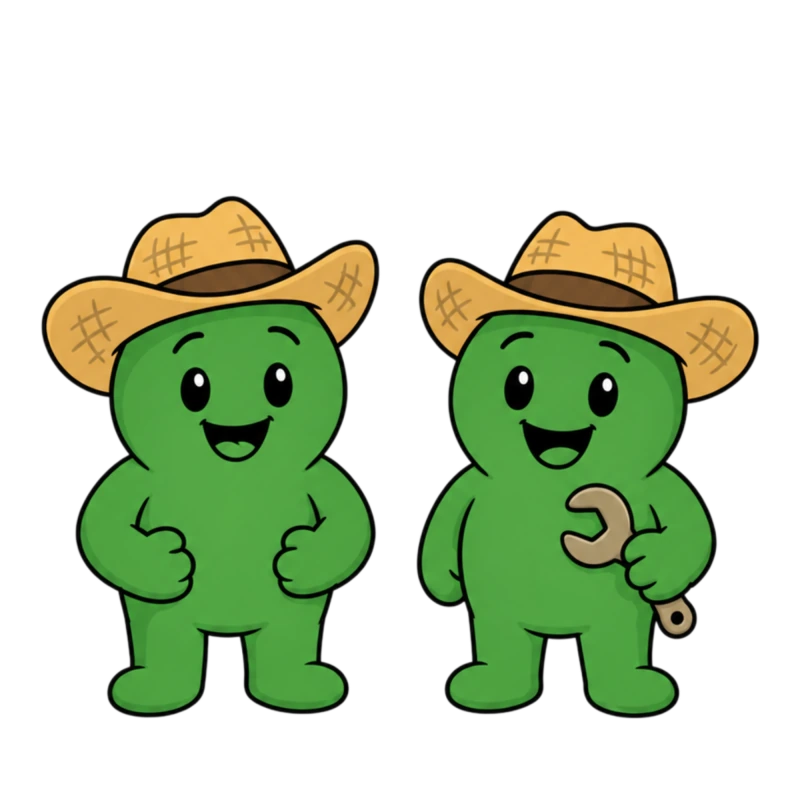
The Protein Builders!
Roy and Ray read genetic instructions and build proteins from amino acids.
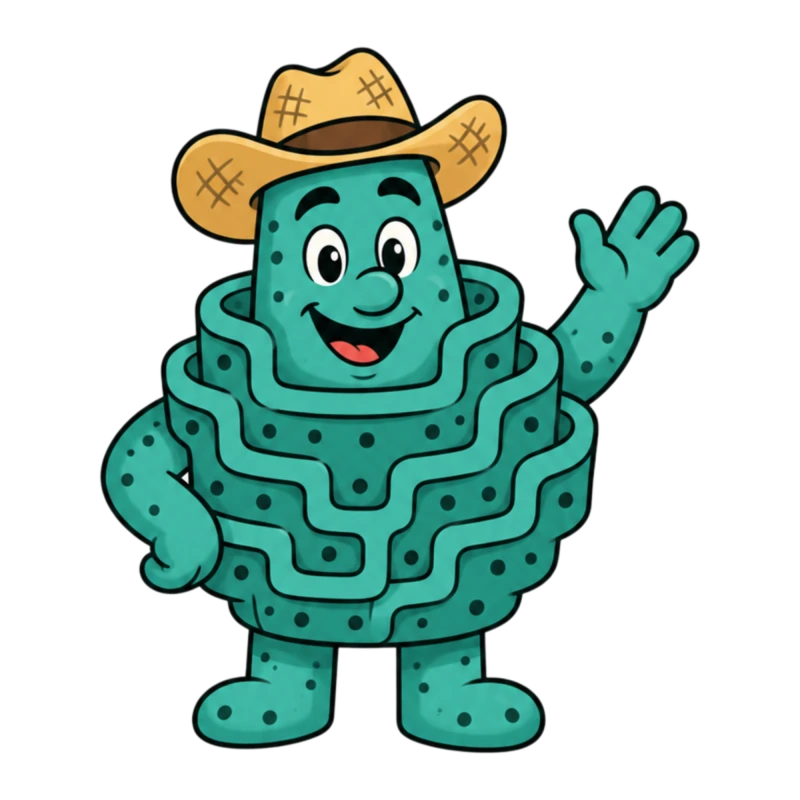
The Folding Foreman!
Earl works with ribosomes to help make, fold, and prepare proteins.
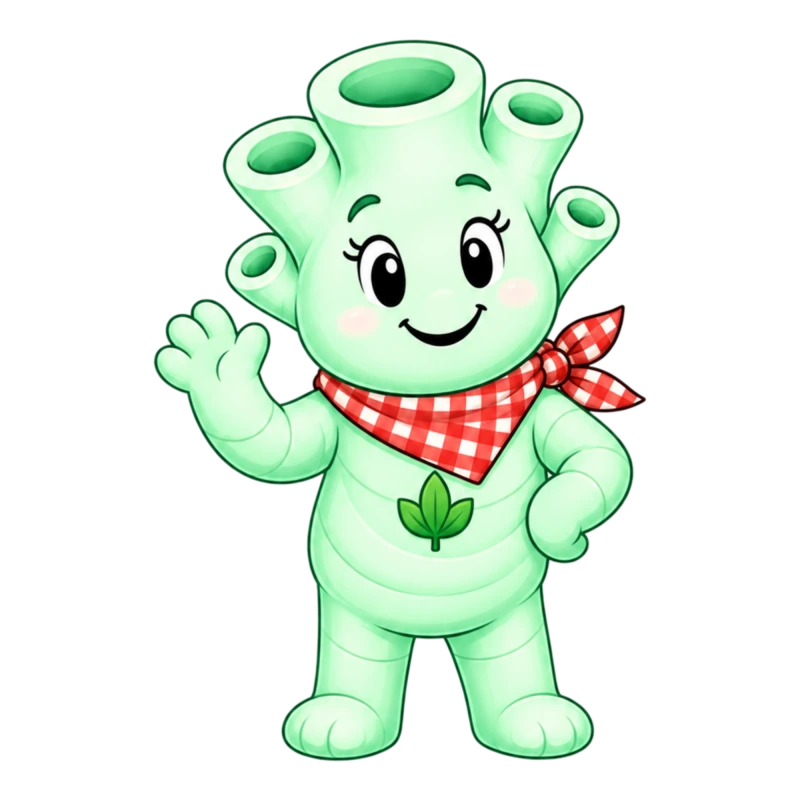
The Lipid Maker!
Emmy makes important lipids and helps store calcium.
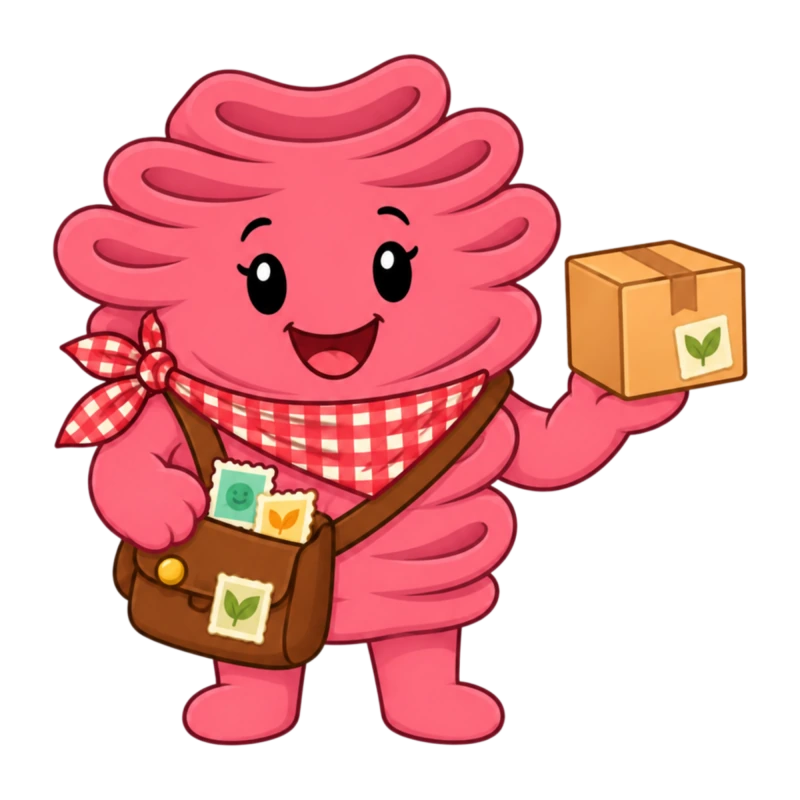
The Package Packer!
Ginny modifies, sorts, and packages proteins and other materials for delivery.
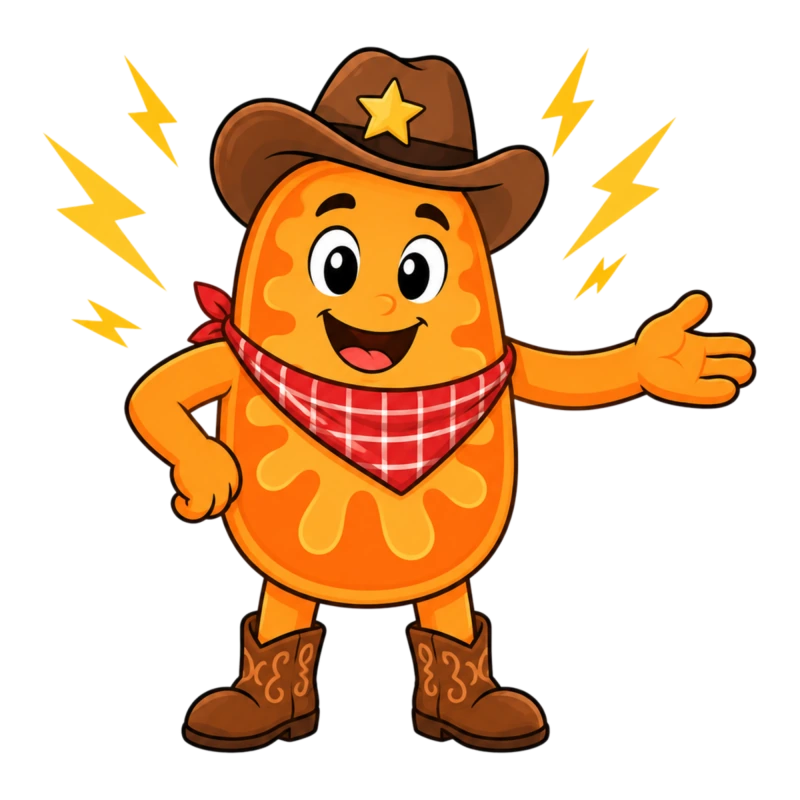
The Powerhouse!
Mack uses energy from food and oxygen to help make ATP for the cell.
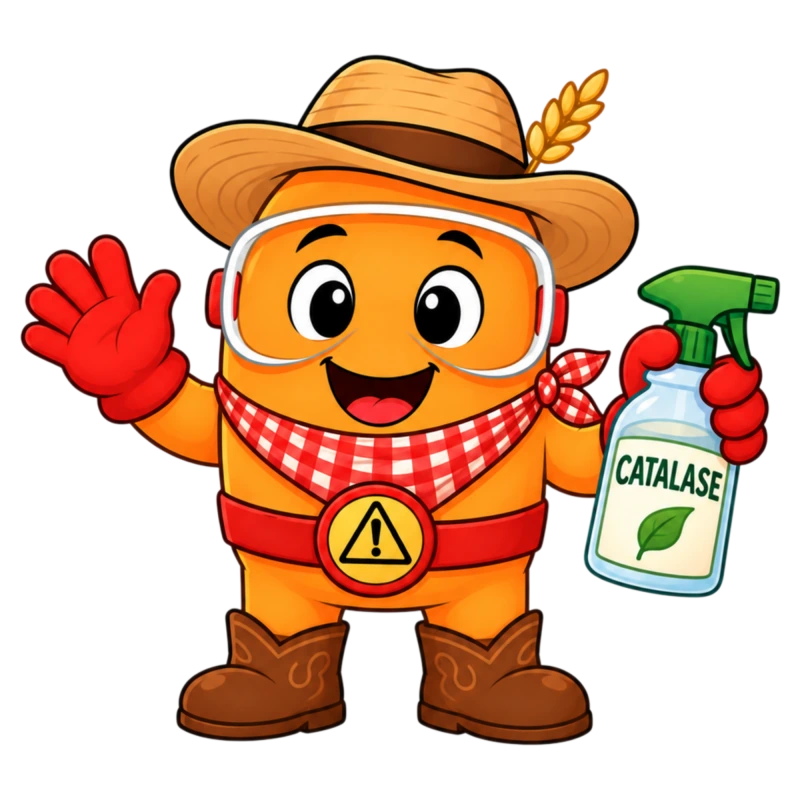
The Hazmat Expert!
Pete helps break down certain fats and controls harmful hydrogen peroxide.
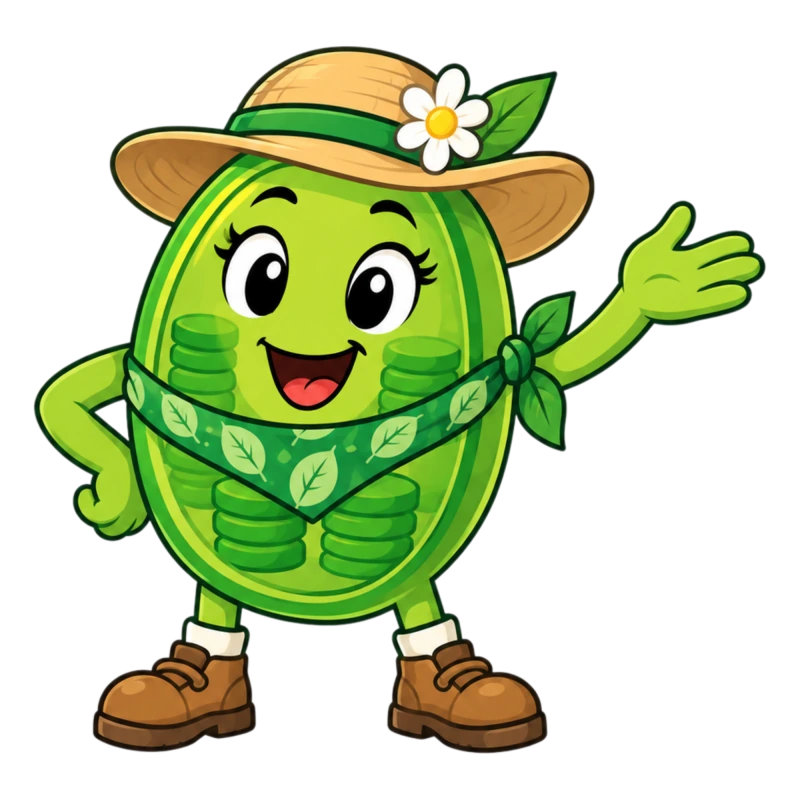
The Sunlight Specialist!
Chloe captures light energy and helps make sugar from carbon dioxide and water through photosynthesis.
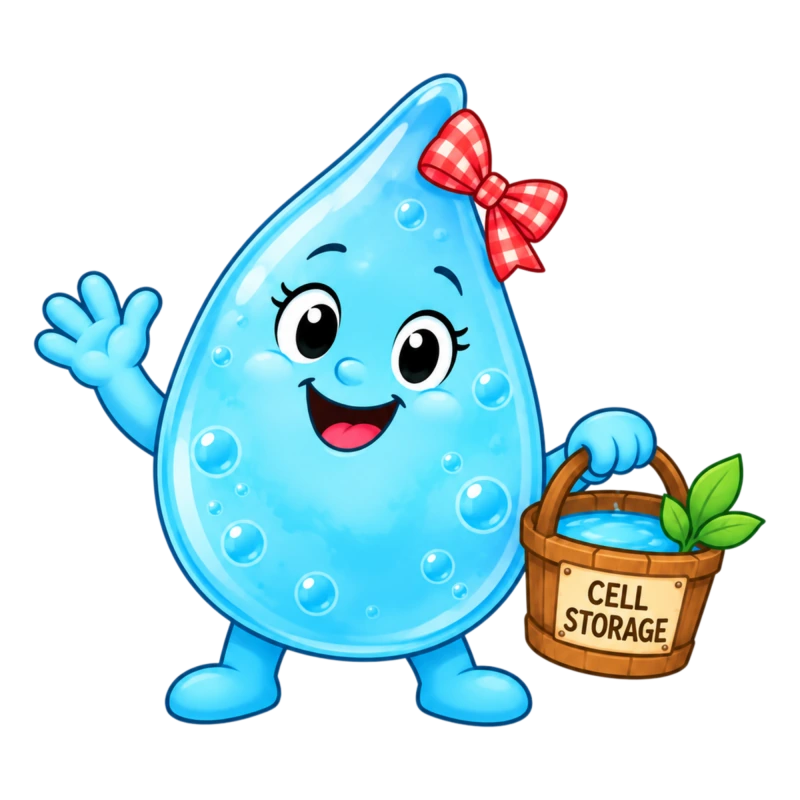
The Storage Expert!
Vera stores water and other materials and helps keep the plant cell firm and supported.

The Strong Support!
Waylon surrounds the cell membrane, helping the plant cell keep its shape and giving it strength.
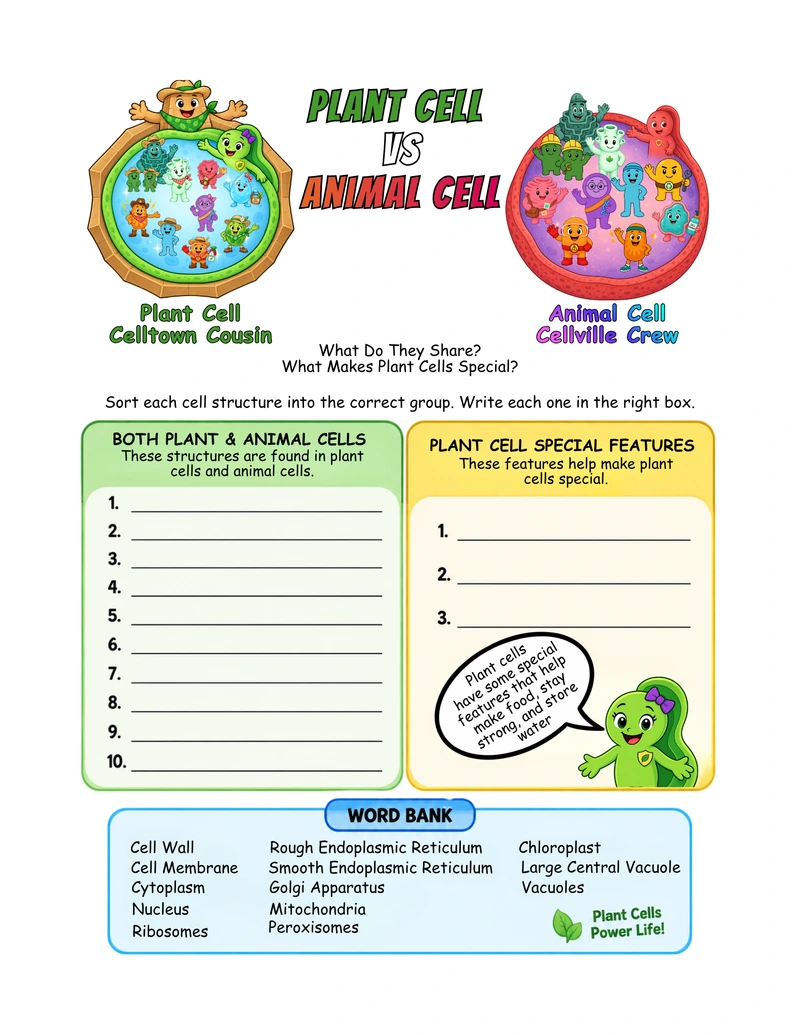
Plant cells and animal cells share many of the same hardworking organelles. Meet the Cellville and Celltown cousins side by side and see how they do many of the same important jobs!
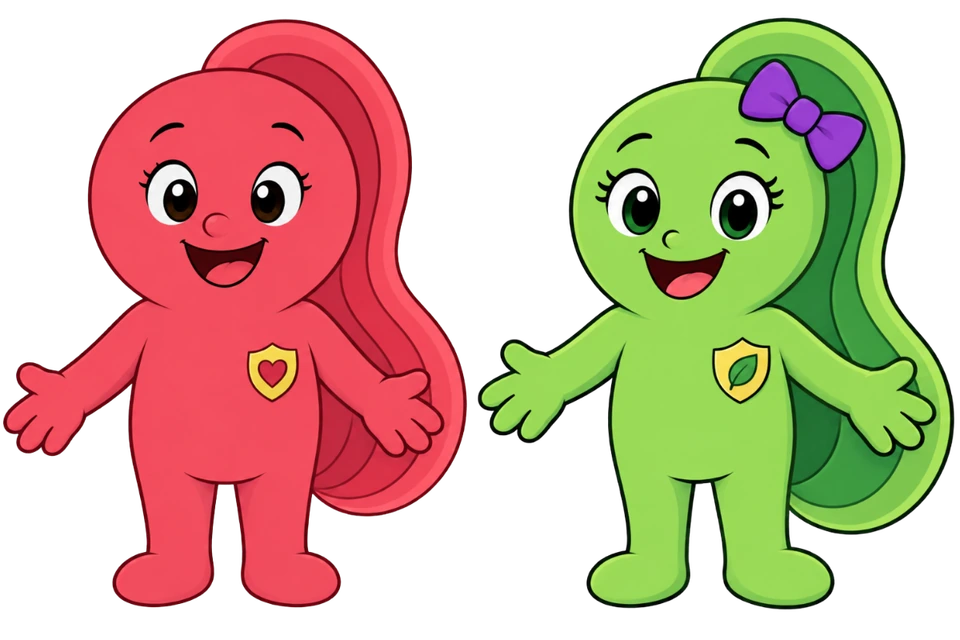
Mindy Membrane + Maggie Membrane
Both surround the cell and help control what moves in and out.
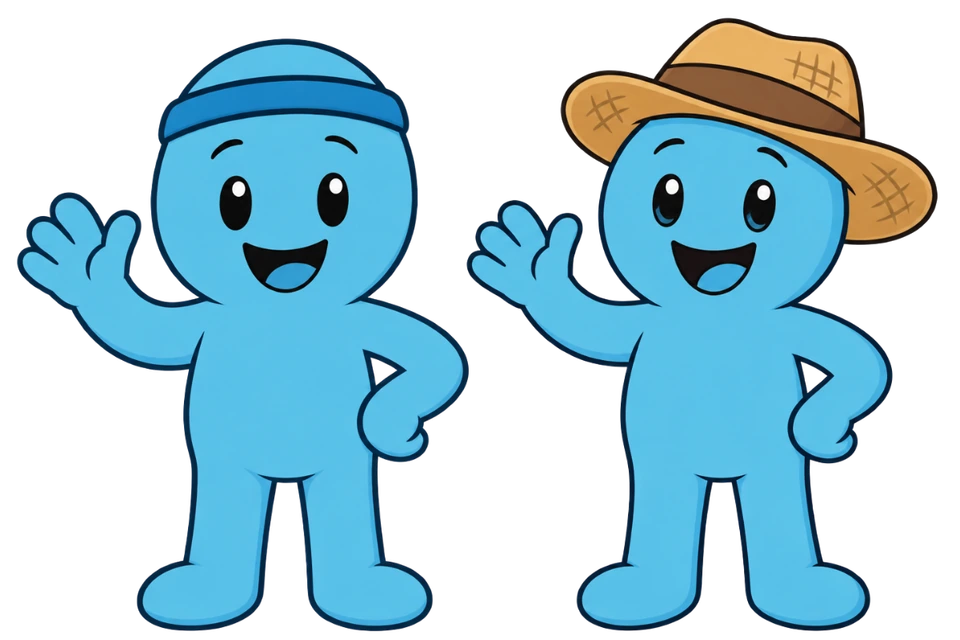
Sammy Cytoplasm + Cody Cytoplasm
Both fill the inside of the cell, where organelles are suspended and many cell reactions happen.
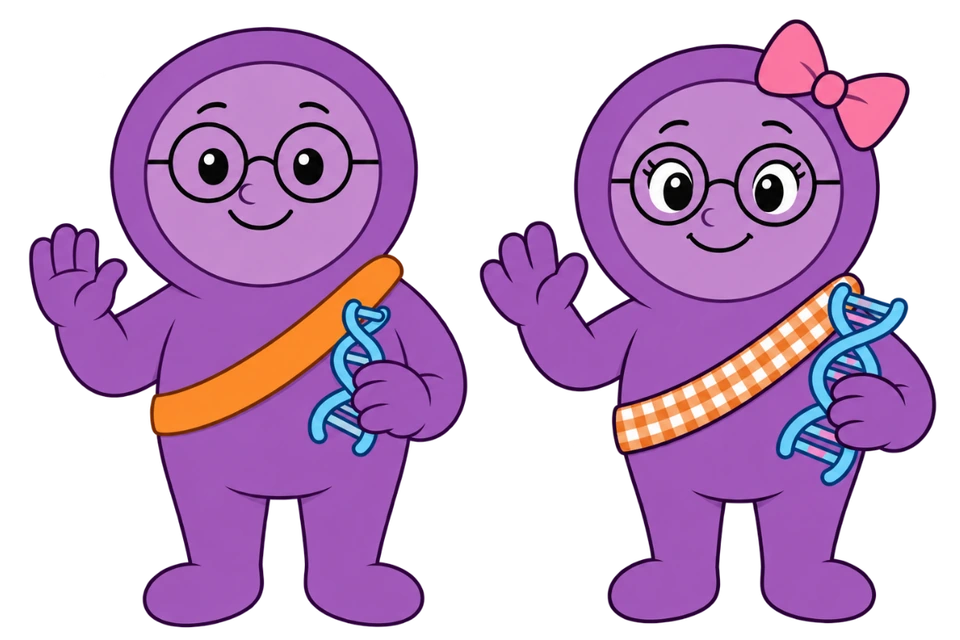
Nora Nucleus + Nelly the Nucleus
Both protect the cell’s DNA and its genetic instructions.
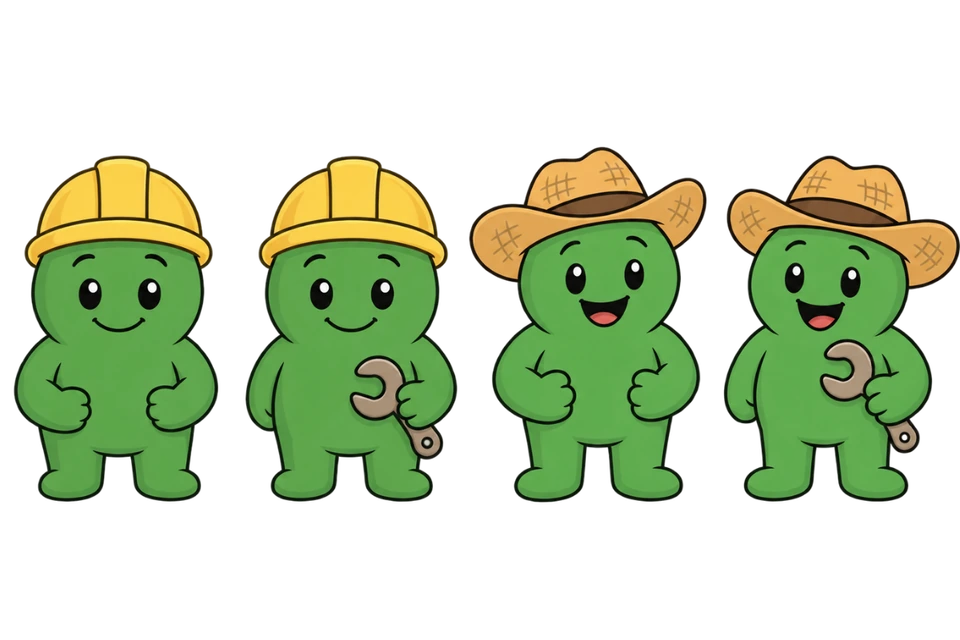
Ricky & Rudy Ribosomes + Roy & Ray Ribosomes
Both read genetic instructions and build proteins from amino acids.
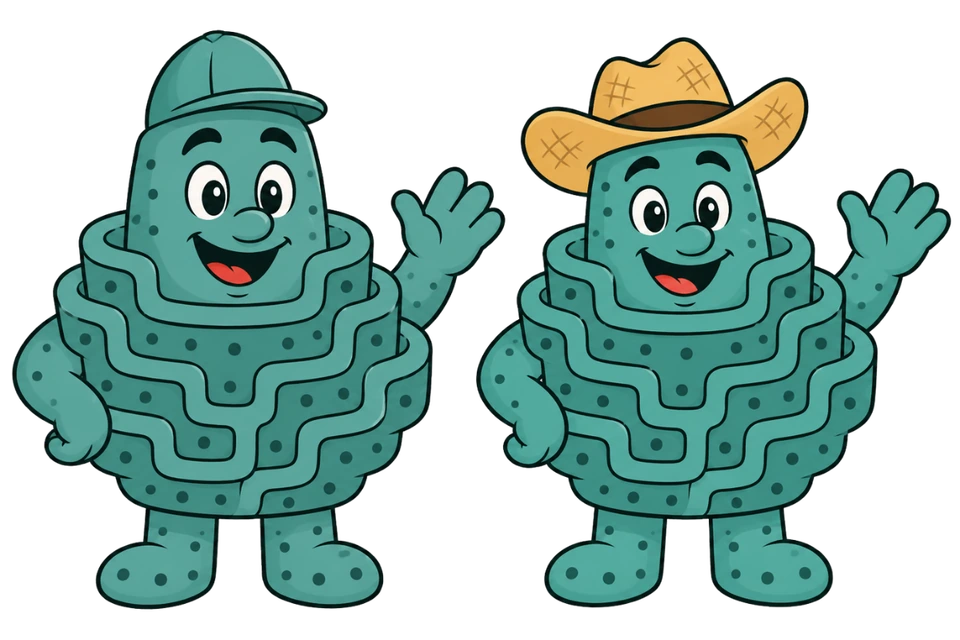
Ernie Rough ER + Earl the Rough Endoplasmic Reticulum
Both work with ribosomes and help make, fold, and prepare proteins.
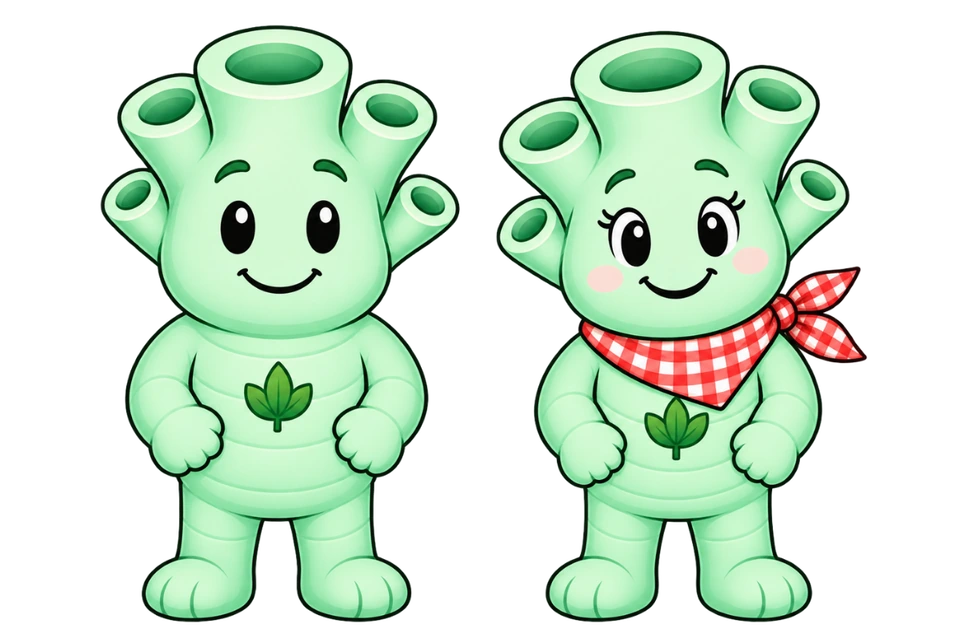
Ellie Smooth ER + Emmy the Smooth Endoplasmic Reticulum
Both make lipids and help store calcium inside the cell.
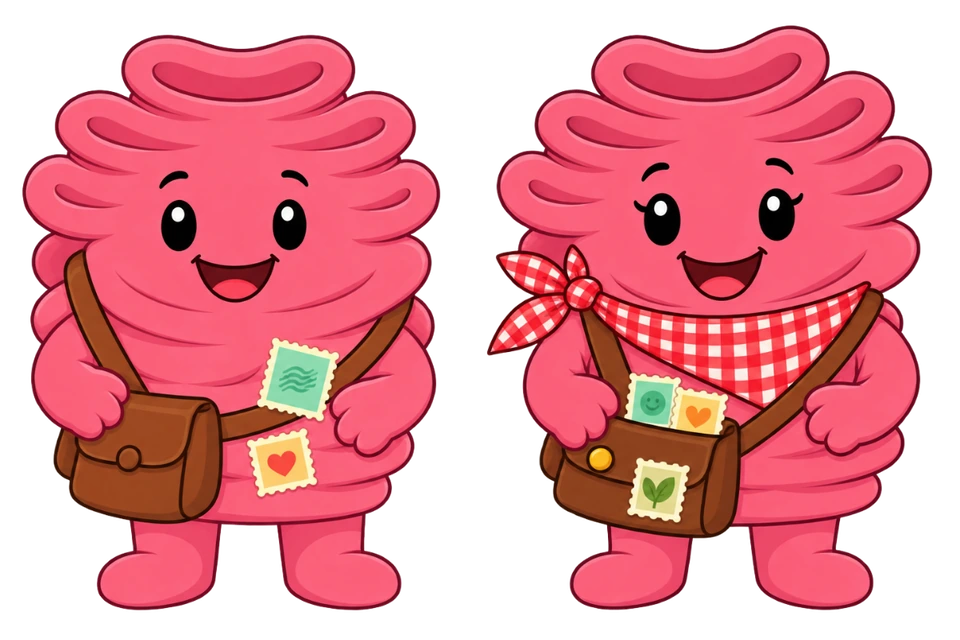
Gigi Golgi + Ginny Golgi Apparatus
Both modify, sort, package, and ship proteins and other materials where they need to go.
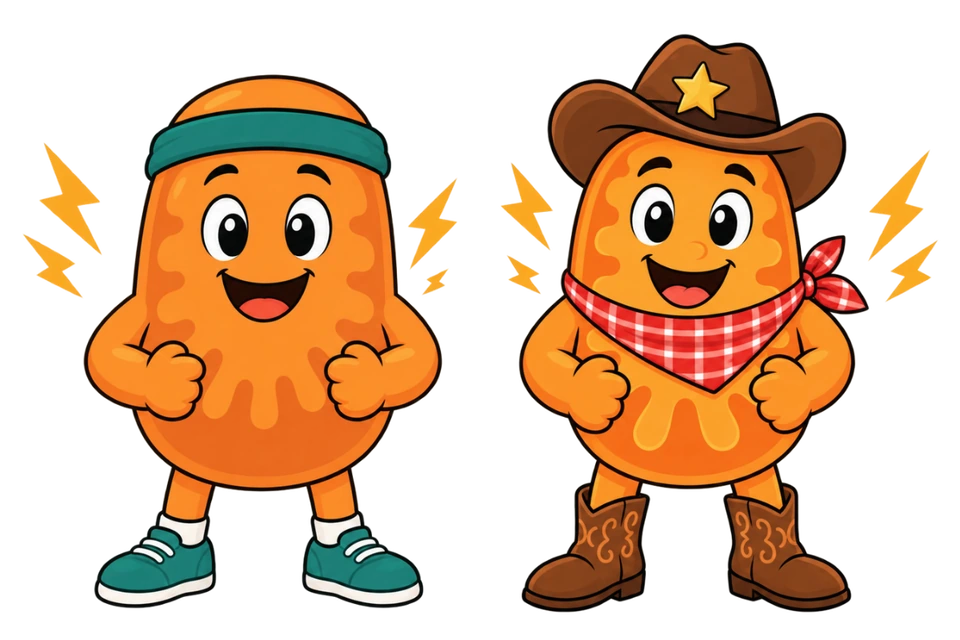
Mike the Mighty Mitochondrion + Mack the Mighty Mitochondrion
Both use energy from food and oxygen to make ATP, the usable energy that powers cell work.
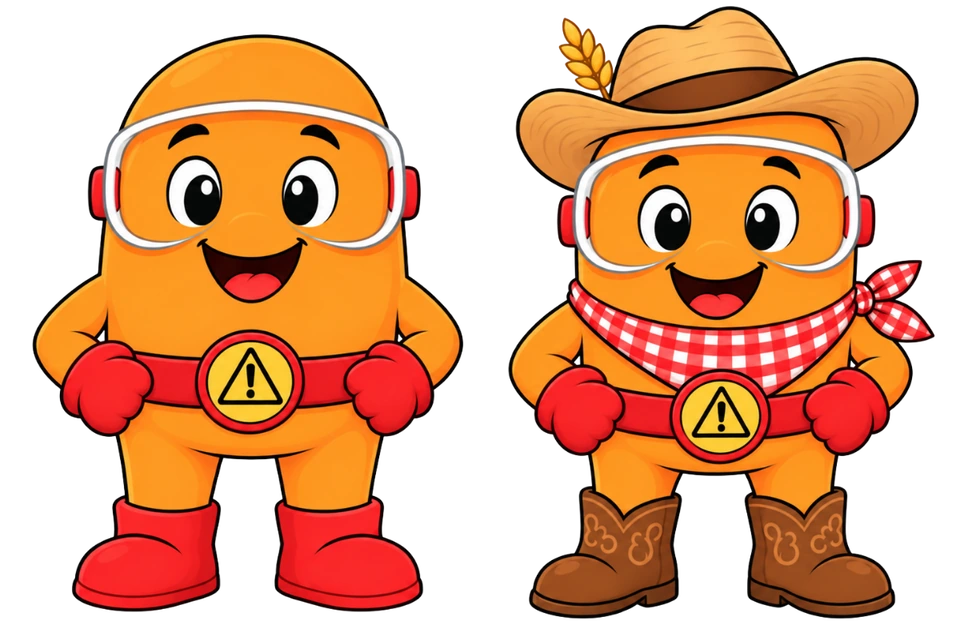
Perry Peroxisome + Pete Peroxisome
Both help break down certain fats and use enzymes to control hydrogen peroxide.
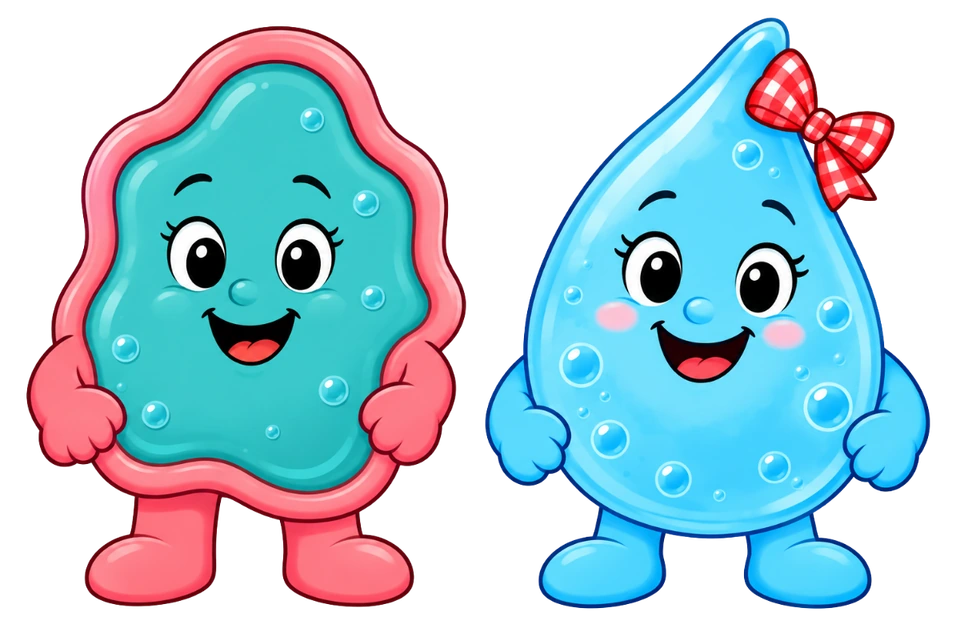
Vicky Vacuole + Vera Vacuole
Both store and contain materials inside the cell. Plant cells usually have one large central vacuole, while animal cells generally have smaller vacuoles.
Plant cells have some special structures that help plants capture energy, stay supported, and store water. Meet three Celltown Cousins with jobs that are especially important in plant cells!
Strong Support
The cell wall is a rigid layer outside the cell membrane. It helps protect the plant cell, gives it support, and helps it keep its shape.
Capturing Sunlight
Chloroplasts contain chlorophyll and capture light energy for photosynthesis. They help make sugars from carbon dioxide and water.
The Large Central Vacuole
Plant cells usually have one large central vacuole. It stores water and other materials and helps maintain pressure that keeps the plant cell firm.
Plant cells and animal cells have a lot in common, but a few important structures help make plant cells special.